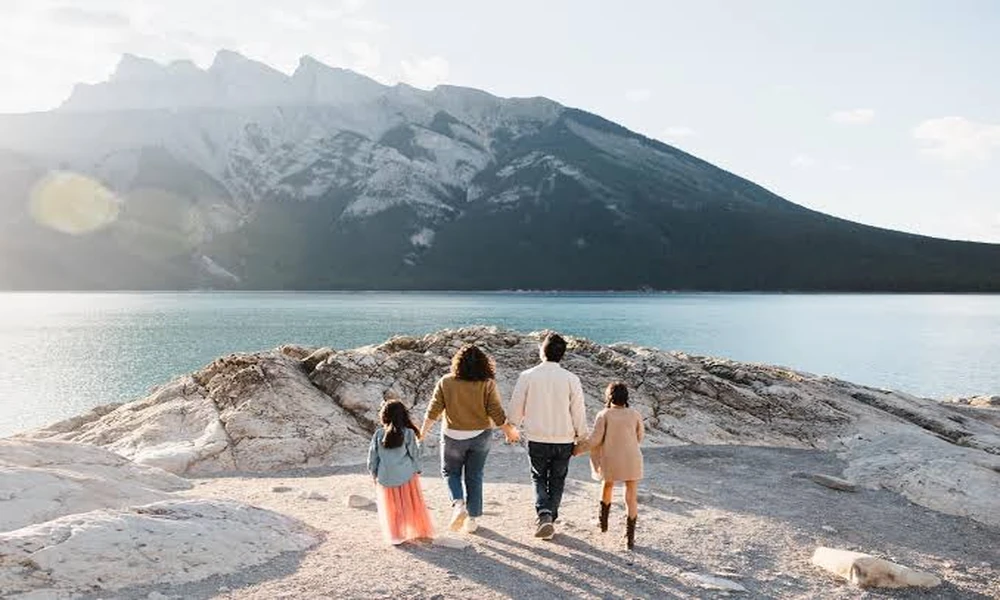
Lasting appeal on the tourist trail really comes down to one thing. Will people bother returning? Western Canada earns that second visit more reliably than anywhere else on the continent. A single route joins the Rocky Mountains, the Okanagan valleys, and the Pacific shore. This means each trip can take a fresh direction rather than retrace the last one. Travel observer Jason Jamie Chan believes this shape explains the region’s staying power, because no stretch of the trail feels like filler between the famous stops. Someone flies in for the lakes near Banff, hears about wine country a few hours west, learns the ocean waits past that, and quietly starts sketching the next trip before the first suitcase is unpacked. Trends in travel come and go every few years. This trail has outlasted all of them, and the reason never changes. Coming back here pays off.
Room to breathe
Rooms along the trail may be the scarcest thing in travel now, yet this region still hands them out freely. Crowds thin fast once visitors leave the postcard viewpoints, because the protected land here runs on a scale most tourists never fully grasp. Space like that changes the whole feel of a holiday. Wildlife shows up on its own schedule, photos stay stranger-free, and the days slow down.
- Wells Grey Provincial Park holds waterfalls worthy of any famous American park, with far fewer people on the paths.
- Northern British Columbia rewards patient drivers with grizzly country and hot springs in silence.
- Kootenay valleys carry trails where an entire afternoon can pass without another hiker appearing.
Calendar-wide appeal
Calendar strength gives this region an edge over places that go quiet once summer ends. Something worth travelling for happens here in every quarter. Despite their proximity to the Alps, Whistler, Revelstoke, and the Rockies are buried in snow. As spring unfolds, the Okanagan blossoms and the coast becomes calm. The high routes are more accessible during summer because daylight lasts until ten at night. Larch forests turn gold in autumn, with salmon running upriver where eagles and bears gather. Travel networks remain sharp all year round because guides, lodges, and festivals never sit idle.
Heritage that endures
Heritage carries this trail deeper than scenery ever could, and here it belongs to cultures far older than tourism itself. Now, indigenous-led experiences are respected across the continent. For hundreds of years, First Nations traditions have been shared with the host families, who have shared food, stories, and care of the land. Villages along the coast continue carving and weaving traditions. Cities bring their own flavour to the mix. Mountain views from downtown streets of Vancouver serve Pacific Rim cuisine. Calgary’s ranching past is transformed into a joyful modern festival. Heritage storefronts and working artists coexist in small towns like Nelson. Wilderness sits minutes from culture, so everyone finds a reason to stay longer.
Lasting appeal rests on substance that survives a second and third visit, and few regions have it as Western Canada does. Open wilderness, quiet parks, a variety of seasons, and living heritage are things no campaign could manufacture. People who come once tend to return, and that loyalty tells the whole story.