Somewhere around the third day of a group safari, something shifts. Not dramatically. The game is still there, the sunsets are still extraordinary, and the food is perfectly fine. But there is a creeping awareness that this same vehicle, this same route, this same cluster of lodges – other people are doing all of it, simultaneously, right now. The whole thing starts to feel curated for a version of Africa that has been made safe to consume. That feeling is exactly why bespoke African safari specialist exist, and why experienced travellers rarely go back to packaged itineraries once they have experienced the alternative.
Famous Parks Hide a Problem
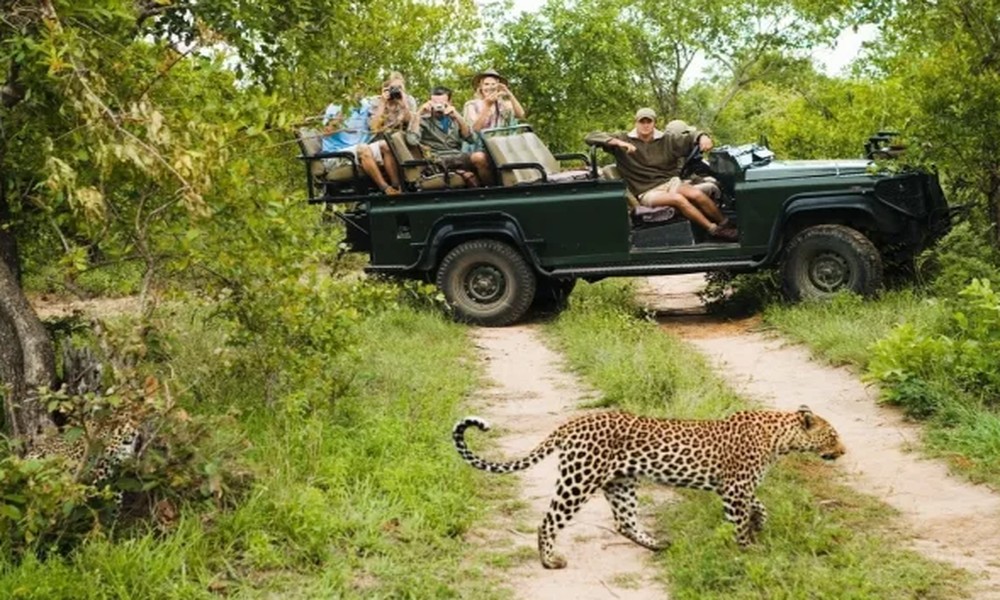
The Serengeti is real. The Masai Mara is real. Nobody is suggesting otherwise. But a leopard in a tree on the main tourist circuit of either park can draw a crowd of vehicles within minutes, and what happens at that sighting tells you everything about the limits of high-traffic game viewing. The animal is habituated. The vehicles jostle. The guides are watching other guides. The best specialists know which private conservancies sit on the borders of these famous parks – areas that share the same wildlife corridors but operate with a fraction of the visitor numbers. That knowledge is not available on a booking platform. It takes years on the ground to build.
Wet Season Is Not What People Think
The word rain stops people. It should not. East Africa’s green season produces newborn animals, breeding birds arriving in extraordinary plumage, and landscapes that shift colour week by week in ways the dry season never does. Southern Africa’s wet months bring the same transformation – lush, dramatic, almost empty. The dust that chokes peak season game viewing disappears entirely. Insects are abundant, which means insectivores are active, which means birders have experiences they spend years trying to repeat. A specialist who knows a specific region through its full annual cycle will tell a client things about the wet months that no general operator would volunteer, because recommending off-peak travel is not in the interest of anyone selling volume.
What a Guide Knows After Years in One Place
This is the part that is almost impossible to explain to someone who has not experienced it. A guide who has worked the same concession for years carries knowledge that goes well beyond animal identification. They know the individual elephants by family. They know which drainage line the wild dogs den near in a good year. They know that a particular fever tree, unremarkable to any passing eye, is where a barn owl has raised young for several consecutive seasons. Bespoke African safari specialists who take the time to match clients with guides who have that kind of accumulated, place-specific knowledge are offering something that cannot be replicated by a well-briefed generalist with a recent field guide.
Depth Beats Distance
Most package safari itineraries are built around breadth. Multiple countries, multiple ecosystems, maximum iconic species in minimum time. The traveller arrives home having seen a great deal and understood very little of it. Three nights is not enough to learn a landscape. It is barely enough to stop feeling like a tourist in it. Clients who spend longer in fewer places – who wake up in the same camp enough mornings to notice how the light changes, how the animal patterns shift, how the same waterhole behaves differently across a week – come home with something more durable than a list of sightings. Bespoke African safari specialists fight this battle constantly against the instinct to do more, see more, move faster. The ones worth listening to push back on that instinct rather than accommodating it.
What Remote Actually Means
Remote is not just geography. It is animal behaviour unconditioned by constant human presence. A lion pride that rarely encounters vehicles responds to an approaching game viewer with curiosity rather than boredom. That difference is visible, immediate, and impossible to fake. It is also increasingly rare, which is precisely why access to genuinely remote areas – through specialist relationships with small owner-operated camps – matters more to the quality of an African experience than almost any other single factor.
Conclusion
Bespoke African safari specialistsearn their place not by knowing more destinations, but by knowing fewer ones deeply. The trips that stay with people for decades are almost never the ones that cover the most ground. They are the ones where someone who genuinely understood a landscape was given the freedom to share it without a fixed schedule pulling everything forward before anything could be properly seen.