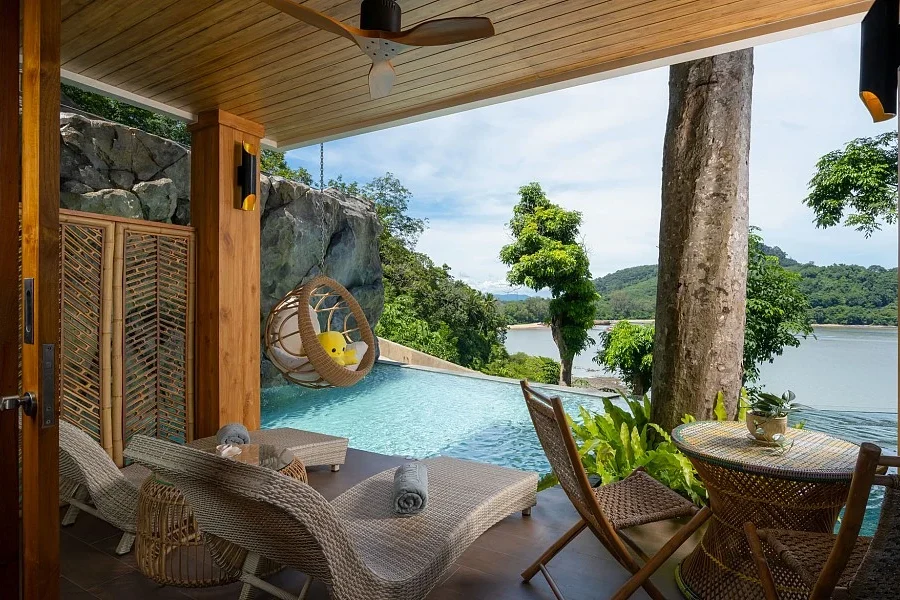
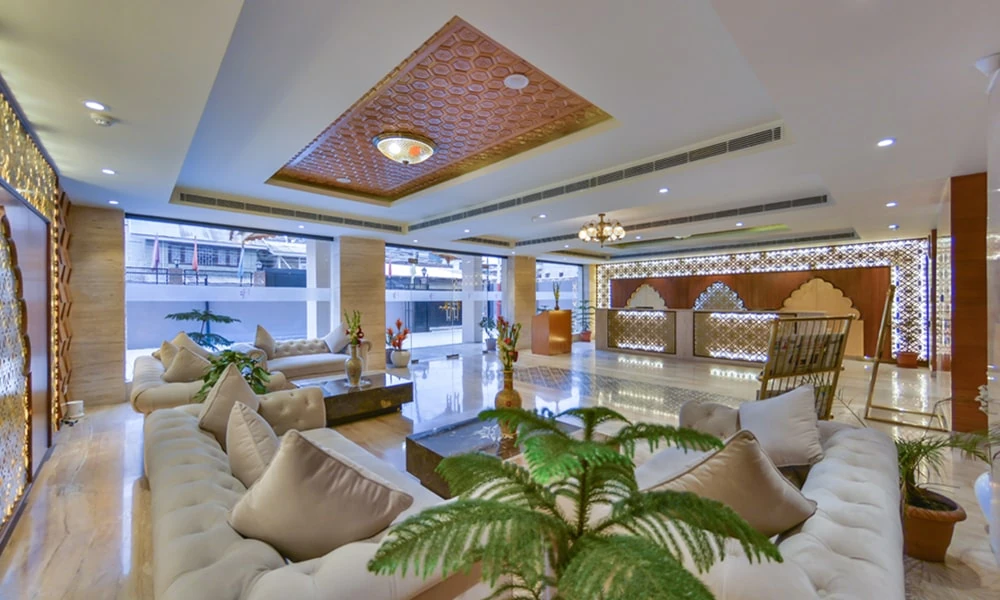
Booking a hotel in patong often starts with a long list of listings that all look alike. Most show a blue pool and a white bed with towels folded into a swan. The useful facts sit lower down the page. Some listings leave them out completely. Room size is one. Street noise is another. Both say more about a stay than the cover photo.
Photos Are Taken on the Best Day
Hotel photos come from paid photographers. They use wide lenses, so rooms look bigger. Pool shots are usually taken early in the morning, before anyone is on the sun loungers.
Guest photos on review sites show what a normal room looks like. A stain on the sofa. A chipped tile in the shower. A view of the air conditioning unit next door. These details rarely make it into the hotel’s own gallery.
It helps to check which room the main photos show. Often it’s the top suite.
The date on the photos counts too. A hotel renovated five years ago may look quite different today.
Room Names Hide Real Differences
The “Deluxe” and “superior” have no fixed meaning. Each hotel picks its own labels. A deluxe room at one place can be smaller than a standard room down the road.
The size in square metres is a better guide. Around 25 square metres is snug for two adults with big suitcases. Above 32 or so, there’s usually space for a small sofa or a work desk.
Bed type is worth confirming as well. Twin beds and one king bed are often sold under the same room name, and the choice is sometimes only “on request.”
Location Text Needs a Map Check
Listings often say “minutes from the beach.” Minutes on foot or by car? The listing rarely says.
Before booking any hotel in patong, the address should go into a map app. The walking route is what counts. A 500 metre walk sounds short. Add a hill and the midday heat, and many guests are taking taxis by day two.
Noise depends on the street. Hotels on a main road hear traffic and music late into the night. Side street hotels are often quieter. They can also be harder for taxi drivers to find.
What Reviews Actually Reveal
Reading reviews in bulk works better than picking a few at random. Some habits help.
- Sort by newest first. Service can slip fast after a change in management.
- Look for repeated complaints. One comment about thin walls means little. Ten comments mean something.
- Check reviews from the same months as the planned trip.
- Read the hotel’s replies. Specific answers are a better sign than copy and paste thank you notes.
- Skip very short reviews, good or bad.
Season matters a great deal at the beach. A stay in the rainy months can feel very different from a dry season stay at the same property.
Costs That Show Up Later
The headline price isn’t always the final price. Some booking sites show the room rate first. Tax and service charge get added at the last step, and the jump can be bigger than expected.
A security deposit is common too. Hotels take it on arrival, as a card hold or in cash, and return it at checkout. Breakfast is included at some hotels and charged at others. Airport pickup and extra beds almost always cost more. The rate details page lists all of this. It takes two minutes to read.
Cancellation Rules and Timing
Holiday periods fill up early in beach areas. Some travellers book flexible rate months ahead, then check the price again a few weeks out. If it has dropped, they cancel and rebook.
Booking direct sometimes adds small perks, like free breakfast or an upgrade if a room is free. Sometimes it doesn’t. The only way to know is to compare the hotel website with two or three booking platforms.