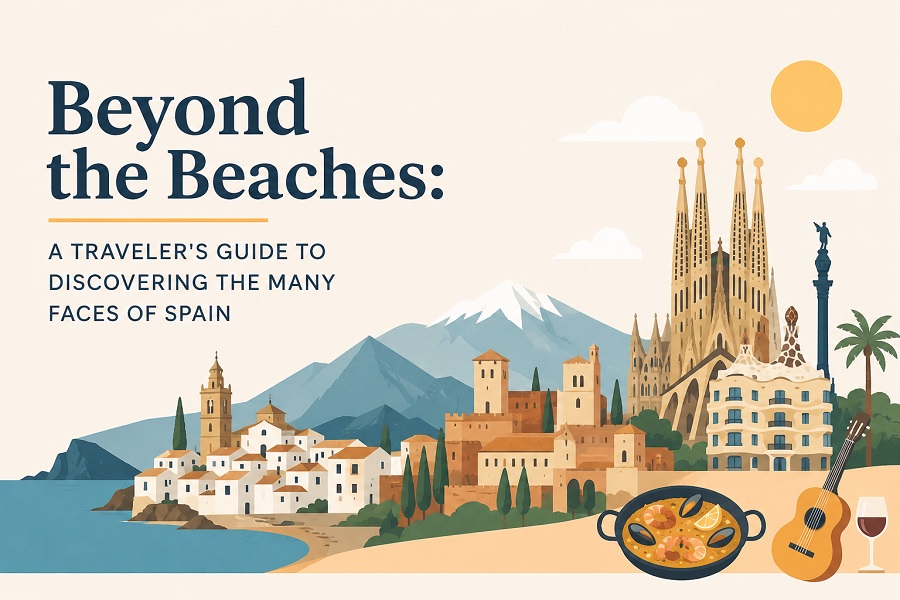
Spain is often associated with golden beaches, warm Mediterranean weather, and lively nightlife, but the country’s true charm stretches far beyond its coastline. From snow-capped mountains and medieval villages to world-famous cities, volcanic islands, and centuries-old traditions, Spain offers an incredible diversity that appeals to every kind of traveler.
Whether you’re planning your first Spanish getaway or returning to uncover new destinations, each region reveals a unique blend of history, cuisine, architecture, and local customs. This guide explores the many faces of Spain, helping you discover why it remains one of Europe’s most captivating travel destinations.
A Country of Remarkable Diversity
Spain occupies most of the Iberian Peninsula and is divided into 17 autonomous communities, each with its own identity, traditions, and even regional languages. This diversity makes every journey feel like visiting several countries in one trip.
The north offers lush green landscapes and dramatic coastlines, while central Spain is home to historic cities and vast plains. The Mediterranean coast boasts beautiful beaches and vibrant resorts, whereas the Canary Islands feature volcanic terrain and subtropical climates that feel worlds apart from mainland Europe.
Because of these regional differences, travelers can experience everything from alpine hiking to island adventures without ever leaving Spain.
Barcelona: Where Art Meets Mediterranean Living
No journey through Spain feels complete without experiencing Barcelona. The city effortlessly combines architectural masterpieces, sandy beaches, world-class dining, and vibrant neighborhoods into one unforgettable destination.
From strolling along Las Ramblas to admiring Antoni Gaudí’s extraordinary buildings, every corner tells a story. The Gothic Quarter invites visitors to wander through narrow medieval streets, while the waterfront offers a relaxing escape after a day of sightseeing.
If you’re planning your itinerary, make time to visit Barcelona and explore its rich blend of culture, cuisine, art, and modern urban life. Spending several days here allows travelers to appreciate both its famous landmarks and lesser-known local neighborhoods.
Madrid: Spain’s Cultural Heart
As the capital city, Madrid represents Spain’s artistic and historical soul. Grand boulevards, elegant parks, and renowned museums create a sophisticated atmosphere while maintaining the warmth that Spanish cities are famous for.
Art enthusiasts can spend days exploring internationally celebrated collections featuring works by Velázquez, Goya, and Picasso. Food lovers will enjoy bustling markets, traditional tapas bars, and innovative restaurants that blend classic recipes with modern techniques.
The city’s energetic nightlife, welcoming locals, and year-round cultural events make Madrid an essential stop on any Spanish itinerary.
Andalusia: The Spirit of Southern Spain
Southern Spain captures many of the images travelers associate with the country. Whitewashed villages, flamenco performances, Moorish architecture, and sun-drenched landscapes define this fascinating region.
Cities like Seville, Granada, and Córdoba showcase centuries of cultural exchange through magnificent palaces, ancient fortresses, and beautifully preserved historic districts.
Beyond the major cities, Andalusia’s countryside offers olive groves, mountain villages, and scenic national parks that reward visitors looking for authentic experiences away from the crowds.
Northern Spain: A Different Side of the Country
Many visitors overlook northern Spain, yet this region surprises travelers with its emerald hills, rugged coastline, and cooler climate.
The Basque Country is renowned for exceptional gastronomy, while Galicia offers dramatic Atlantic scenery and ancient pilgrimage routes. Asturias and Cantabria combine mountain landscapes with picturesque fishing villages and quiet beaches.
Northern Spain is ideal for travelers seeking outdoor adventures, coastal drives, and authentic local traditions that differ significantly from the Mediterranean image many associate with the country.
The Magic of the Canary Islands
Located off the northwest coast of Africa, the Canary Islands enjoy pleasant weather throughout the year, making them one of Europe’s most popular holiday destinations.
Each island has its own personality. Tenerife features volcanic landscapes and lively resorts, Lanzarote showcases surreal lava fields, Gran Canaria offers diverse scenery, while La Palma attracts nature lovers with its forests and hiking trails.
One of the archipelago’s most spectacular celebrations is the Carnival in Tenerife, an annual event filled with colorful costumes, music, dancing, and elaborate parades. The celebration attracts visitors from around the world and highlights Spain’s vibrant festival culture.
Spain’s Incredible Food Culture
Spanish cuisine extends far beyond paella and tapas. Every region contributes distinctive ingredients and cooking traditions shaped by geography and history.
Seafood dominates coastal areas, while inland regions specialize in cured meats, hearty stews, and artisan cheeses. Fresh olive oil, seasonal vegetables, local wines, and regional desserts complete the country’s diverse culinary landscape.
Food markets provide excellent opportunities to sample authentic flavors while interacting with local producers. Whether enjoying small tapas in Andalusia or seafood in Galicia, dining becomes an essential part of the travel experience.
Historic Cities That Tell Ancient Stories
Spain’s history spans thousands of years, with influences from Romans, Visigoths, Moors, and Christian kingdoms shaping its remarkable heritage.
Walking through cities like Toledo, Salamanca, Ávila, and Segovia feels like stepping back in time. Medieval walls, Roman aqueducts, Gothic cathedrals, and Renaissance plazas showcase architectural styles spanning centuries.
Many of these cities are compact enough to explore on foot, allowing visitors to appreciate their historical character at a leisurely pace.
Outdoor Adventures Beyond the Coast
Spain is a paradise for outdoor enthusiasts. Mountain ranges, national parks, and protected natural areas offer countless opportunities for adventure.
Popular activities include:
- Hiking through the Pyrenees
- Cycling scenic mountain routes
- Kayaking along dramatic coastlines
- Skiing during winter months
- Exploring volcanic landscapes
- Birdwatching in protected wetlands
- Surfing on Atlantic beaches
Nature lovers often discover that Spain’s inland regions are just as rewarding as its famous coastal resorts.
Festivals That Bring Communities Together
Spanish festivals reflect centuries of tradition and local pride. Throughout the year, towns and cities celebrate religious events, seasonal harvests, historical commemorations, and cultural heritage.
Music, dance, elaborate costumes, fireworks, and communal meals create unforgettable experiences for visitors fortunate enough to attend.
Every region has unique celebrations that provide deeper insight into local customs and strengthen the connection between travelers and Spanish culture.
Practical Tips for Traveling Around Spain
Spain’s transportation network makes exploring the country surprisingly convenient.
High-speed trains connect major cities efficiently, while regional railways, buses, and domestic flights serve smaller destinations and islands. Renting a car provides additional flexibility for discovering rural villages and scenic landscapes.
Useful travel tips include:
- Learn a few basic Spanish phrases.
- Book popular attractions in advance during peak seasons.
- Carry comfortable walking shoes.
- Embrace the relaxed pace of local dining.
- Respect regional customs and traditions.
- Consider traveling during spring or autumn for pleasant weather and fewer crowds.
Best Time to Visit Spain
Spain offers something special throughout the year.
Spring brings blooming landscapes and comfortable temperatures ideal for sightseeing.
Summer is perfect for beaches, festivals, and island vacations, although major tourist destinations become busier.
Autumn combines pleasant weather with fewer visitors, making it an excellent season for cultural exploration and food tourism.
Winter offers skiing in mountain regions, festive holiday markets, and mild temperatures across southern Spain and the Canary Islands.
Choosing the right season depends largely on your interests and preferred style of travel.
Sustainable Travel in Spain
Responsible tourism has become increasingly important across Spain. Travelers can contribute positively by supporting locally owned accommodations, dining at family-run restaurants, using public transportation whenever possible, and respecting protected natural areas.
Many destinations are also encouraging slower travel, allowing visitors to spend more time in fewer places while reducing environmental impact and supporting local economies.
Small choices during your journey can help preserve Spain’s cultural and natural treasures for future generations.
Conclusion
Spain is far more than a beach destination. It is a country where every region offers a distinctive identity shaped by centuries of history, breathtaking landscapes, remarkable architecture, vibrant festivals, and unforgettable cuisine.
From cosmopolitan cities and medieval towns to volcanic islands and mountain villages, Spain rewards travelers who venture beyond the obvious. Whether your journey leads you through Barcelona’s artistic streets, Madrid’s cultural landmarks, Andalusia’s historic treasures, or the colorful celebrations of Tenerife, you’ll quickly discover that Spain’s greatest beauty lies in its diversity.
Every visit reveals another layer of this extraordinary country, making it a destination that inspires travelers to return again and again.