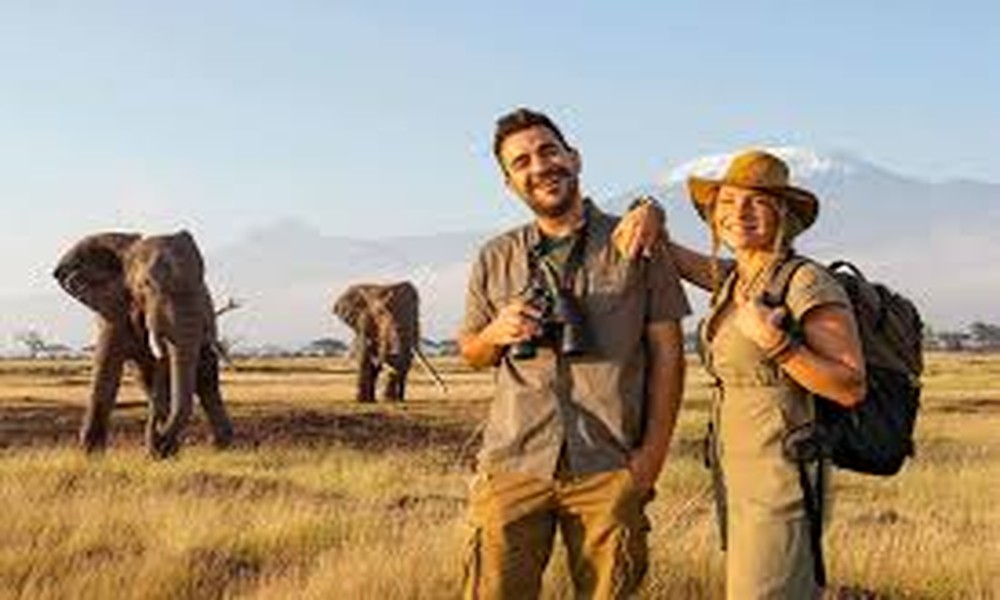
Imagine waking to the roar of a lion at dawn, watching a herd of elephants splash through a river, or witnessing millions of wildebeest thunder across the plains in the Great Migration. An African safari isn’t just a trip-it’s a raw, life-changing plunge into the wild. Whether you’re a first-timer chasing the Big Five or a seasoned traveller seeking pristine wilderness, planning the best African safari requires smart choices on timing, budget, and destinations. This guide breaks it down step by step, with the top safari spots that deliver jaw-dropping wildlife encounters and unforgettable memories.
Why an African Safari Tops Every Traveller’s Bucket List
Africa’s vast savannas, deltas, and national parks offer the world’s most dramatic wildlife spectacles. From Kenya’s golden plains to Botswana’s waterlogged wilderness, safaris combine adventure, culture, and conservation. In 2026, with new lodges opening and improved conservation in places like Zambia’s Kafue, experiences are more exclusive than ever. But success hinges on preparation. Follow this roadmap to craft your perfect safari-whether luxury tented camps or budget self-drives.
Step-by-Step: How to Plan the Best African Safari
Planning doesn’t have to be overwhelming. Here’s your practical 5-step blueprint:
1. Define Your Budget and Safari Style
Safaris range from $200-$500 per person per night (budget/group tours) to $1,500+ for ultra-luxury private concessions. Factor in international flights, visas, and tips. Decide your vibe: romantic fly-in luxury, family-friendly lodges, photography-focused mobile camps, or adventure self-drive in South Africa. Families should prioritise child-friendly spots with kids’ clubs; solo travellers might love walking safaris in Zambia. Book 9-18 months ahead for peak season to secure prime lodges.
2. Pick the Best Time to Visit
Africa has wet and dry seasons. The dry season (June-October) is prime for game viewing-animals congregate at waterholes, vegetation is sparse, and roads are passable. East Africa’s Great Migration peaks July-October in Kenya’s Masai Mara. Shoulder seasons (November-December or April-May) offer fewer crowds and lower prices with lush greenery. Avoid heavy rains (March-May in East Africa) unless you want dramatic landscapes and baby animals. Always check yearly rainfall patterns.
3. Choose Your Destination (More on Top Picks Below)
Match parks to your interests: Big Five action, migration drama, or boat safaris. Combine 2-3 countries for a multi-destination epic (e.g., Tanzania + Kenya).
4. Select the Right Operator and Book Smart
Work with reputable specialists who partner with local guides (look for FGASA or KPSGA accreditation). Compare operators via reviews on Trustpilot or forums. Book flights to major hubs like Nairobi, Johannesburg, or Arusha. Get comprehensive travel insurance covering medical evacuation. Visas are straightforward for most (e.g., e-visa for Kenya/Tanzania; South Africa often visa-free for Indians).
5. Prepare for Your Trip
Get yellow fever and hepatitis shots; take malaria prophylaxis. Pack neutral khaki/beige clothes, binoculars, a good camera with zoom lens, insect repellent, and a power bank. Download offline maps and safari apps. Respect local customs and follow strict lodge rules-no drones, stay in vehicles, no littering.
Top 5 African Safari Destinations
These parks consistently deliver world-class experiences. Here’s why they shine this year:
1. Serengeti National Park, Tanzania – The Migration Capital
Endless golden plains meet dramatic river crossings. Witness 1.5 million wildebeest and zebra during the Great Migration (January-March calving in the south; June-September river crossings in the north). Spot lions, leopards, and cheetahs in one of Africa’s largest parks. Stay at intimate camps like &Beyond Serengeti Under Canvas for front-row seats.
- Best time to visit Tanzania: June-October.
- Pro: Iconic and varied; con: Can feel busier in peak months.
2. Masai Mara National Reserve, Kenya – Big Five Drama
Kenya’s crown jewel offers open savannas teeming with predators. The Mara River crossings (July-October) are heart-pounding. Hot-air balloon rides at sunrise reveal zebras, giraffes, and elephants against misty hills. Pair it with cultural Maasai village visits. Join any of the Kenya Tours with Indus Travels for the best experience with like minded travellers.
- Best time to visit Kenya: July-October.
- Ideal for first-timers seeking action-packed drives.
3. Kruger National Park, South Africa – Accessible Big Five Heaven
South Africa’s flagship park spans 19,485 km² with excellent infrastructure. Self-drive or join guided game drives for easy Big Five sightings (lion, leopard, rhino, elephant, buffalo). Private reserves like Sabi Sand offer intimate leopard encounters. Add Cape Town wine tours for a perfect combo.
- Best time to visit South Africa: May-September (dry and cool).
- Beginner-friendly with great value and malaria-free options in some areas.
4. Okavango Delta, Botswana – Water Wonderland
A UNESCO site where the Okavango River fans into a lush inland delta. Glide in mokoro canoes past hippos and crocodiles, or track lions on foot. 2026 sees new luxury camps opening, promising ultra-private experiences.
- Best for birdwatchers (over 500 species) and exclusive safaris.
- Best time to visit Botswana: May-October (flood season peaks).
- Pro: Pristine and low-volume; con: Higher cost due to remoteness.
5. Etosha National Park, Namibia – Dramatic Desert Safaris
A vast salt pan surrounded by waterholes draws wildlife year-round. Spot black rhinos, cheetahs, and rare desert-adapted elephants against otherworldly landscapes. Self-drive is easy and affordable. Combine with Sossusvlei dunes for epic contrast.
- Best time to visit Namibia: May-October.
- Perfect for photographers seeking unique light and fewer tourists than East Africa.
Pro Tips for the Ultimate Safari Experience
- Photography Gold: Shoot during the golden hour; use bean bags in vehicles for stability.
- Go Ethical & Sustainable: Choose operators supporting anti-poaching and community projects. Avoid places with captive animals.
- Pack Light, Dress Smart: Layer for chilly mornings and hot afternoons.
- Stay Present: Put down the phone and soak in the sounds of the bush.
- Budget Hack: Consider the green season (November-April) for lower rates and baby animal sightings.
Ready to Plan Your Dream African Safari?
An African safari promises more than photos-it delivers stories you’ll tell forever. Start by listing your must-sees, set a realistic budget, and reach out to a trusted operator like Indus Travels. The wild is calling. Pack your sense of adventure, book those flights, and get ready for the trip of a lifetime.