
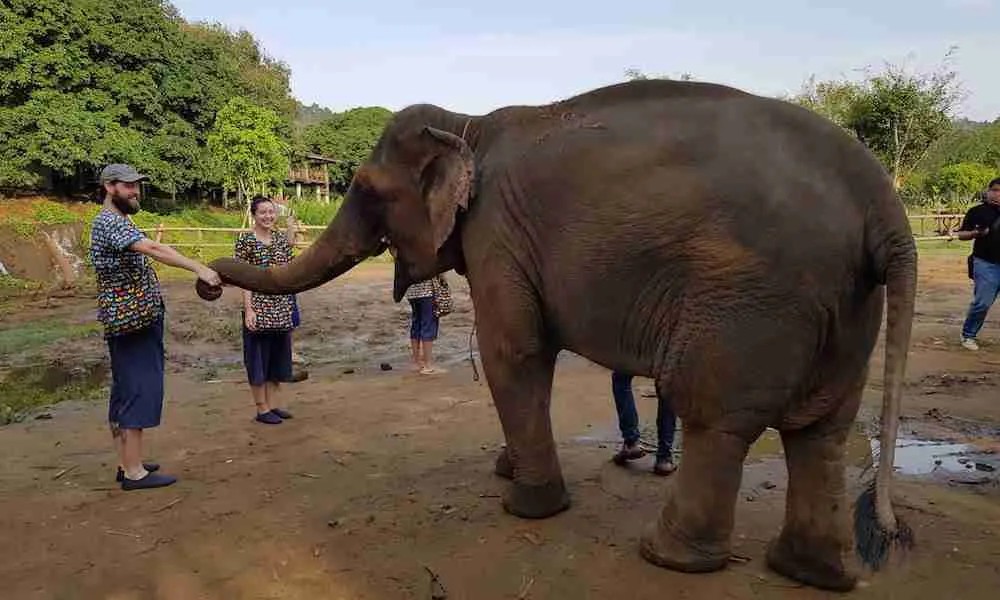
Elephants face threats from poor tourism choices every day. Visitors seek close encounters, but bad practices harm these animals deeply. Responsible options focus on welfare over quick thrills, elephant park koh phangan models care through ethical daily routines. Sanctuaries prioritize natural behaviors above all else.
Ethical Sanctuaries Prioritize Animal Comfort Daily
Ethical sanctuaries shift focus to elephant well-being first. They ban rides and shows that stress animals heavily. Natural foraging replaces chained waits for visitors. Care routines mimic wild herd lives closely.
Sanctuary Rules Promote Natural Foraging Habits
Sanctuaries set firm guidelines for visitor interactions now.
- Ban riding to prevent back injuries fully
- Allow mud baths for skin health naturally
- Provide browse diets matching wild meals
- Limit group sizes around resting elephants
- Train handlers in gentle observation only
- Monitor health with daily vet checks
These rules foster healthier lives for elephants long-term. Visitors learn respect through guided observations quietly. Harm drops as practices spread wider.
What Drives Harmful Tourism Practices?
Old habits push elephants into exhausting performances daily. Operators chase profits over animal needs often. Chains and hooks control movements harshly. Crowds overwhelm sensitive natures quickly.
How do crowds impact elephant stress levels? Noise and touches trigger fight responses inside. Recovery takes hours away from natural rest. Better choices ease these burdens effectively. Guidelines keep distances safe during close views, elephant park koh phangan follows strict paths that shield animals from overload. Handlers enforce quiet zones around feeding times. Groups move slowly to avoid startling herds. Signs explain why space matters for calm days. Calm prevails when rules guide every step.
How Can Tourists Spot Ethical Options Quickly?
Tourists check for no-ride policies at entry points. Ask about feeding methods used daily there. Watch handler interactions for signs of force. True sanctuaries boast vet records openly. What questions reveal true care commitments? Inquire about retirement plans for older elephants. Confirm space for roaming without chains ever. Ethical spots answer clearly with pride.
Handler Training Builds Gentle Interaction Skills
Handlers learn non-coercive methods through hands-on courses. They study body language cues from elephants keenly. Positive reinforcement shapes calm behaviors over time. Training cuts abuse risks sharply across sites.
Community Roles Strengthen Long-Term Protection Efforts
Local voices push for stricter oversight on tourism spots. Funds from ethical visits support habitat preservation work. Education campaigns teach value of welfare-focused choices. Elephants gain safer futures through united actions. Visitors become advocates after seeing real change. Protection grows from informed choices every season.